

Built for the Unexpected.
You can’t plan for every emergency, but you can prepare. That’s why we built our water resistant fire safe.
Protection You Can See
Not all protection is created equal. We tested Home Advantage alongside other home safes under the same conditions to see how they performed when exposed to extreme heat.


When You Don't Have Time To Prepare
House Fires by the Numbers

Home Fires
On average in the U.S. there is a house fire every 96 seconds - that's around 350,000 house fires annually*.

Causes
48.7% of reported home fires are often traced back to unattended cooking equipment*.
Frequently Asked Questions
How long is Home Advantage fire rated?
How long is Home Advantage fire rated?
Home Advantage fire resistant safes provide 60 minutes of fire protection at temperatures up to 1,200°F.
How water resistant is Home Advantage?
How water resistant is Home Advantage?
Home Advantage is water resistant in up to 2 feet of water for up to 72 hours.
Is Home Advantage waterproof?
Is Home Advantage waterproof?
Home Advantage is water resistant, not waterproof. It is designed to help protect the safe's contents from water exposure in up to 2 feet of water for up to 72 hours.
Why do I need both fire and water protection?
Why do I need both fire and water protection?
Emergencies don't always create a single threat. Fire, severe weather, flooding and the water used during firefighting can all put important documents, valuables and keepsakes at risk. The Home Advantage fire resistant safe is designed to provide an added layer of protection when the unexpected happens.
What should I store in Home Advantage?
What should I store in Home Advantage?
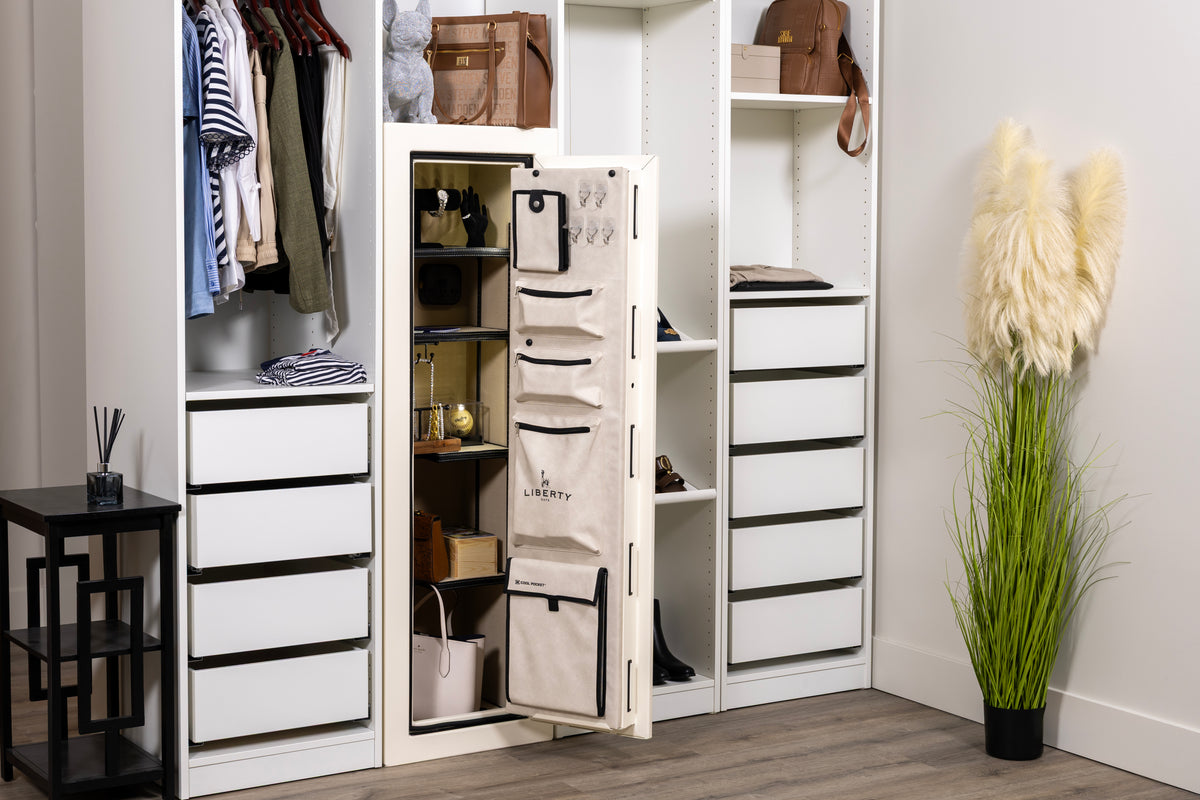
Home Advantage is a fire resistant home safe designed for the things you want protected and close at hand, including important documents, jewelry, watches, cash, keepsakes and other personal valuables.
Where should I place my Home Advantage safe?
Where should I place my Home Advantage safe?
Choose a secure, accessible location in your home where the safe can sit on a stable surface and be properly installed according to the product instructions or by a professional safe mover.
*Fire Sources:National Fire Protection Association (NFPA) and U.S. Fire Administration (USFA). Data represents the latest available U.S. residential fire data.
** Flooding Sources: Federal Emergency Management Agency (FEMA), National Flood Insurance Program (NFIP), and National Weather Service (NWS). Data represents U.S. flood risk and impact guidance.